
18 Gorgeous Unesco World Heritage Sites in Turkey
Turkey is a bridge between continents and civilizations, boasting a historical wealth that few countries can match. As we enter the 2026 sailing season, there are 18 incredible UNESCO World Heritage Sites across the country. While some are inland, many of these treasures are the perfect highlight when you sailing Turkey tours along the Aegean and Mediterranean coasts.
1. Aphrodisias
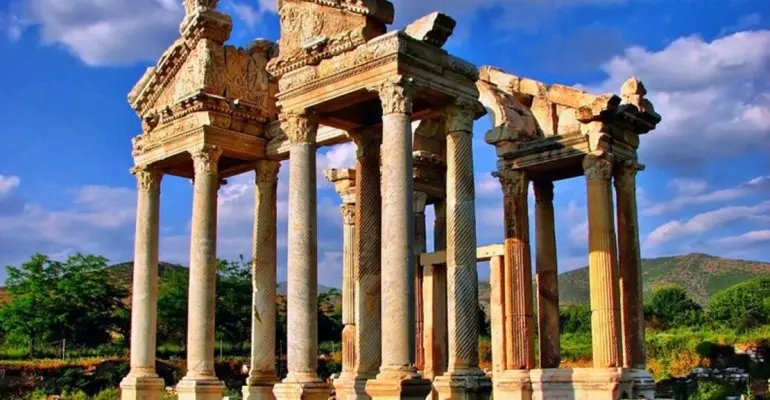
Located in southwestern Turkey, Aphrodisias is one of the most important archaeological sites of the Greek and Roman periods. Named after Aphrodite, the goddess of love, the city was famous for its sanctuary and its marble sculptors. The stadium of Aphrodisias is one of the best-preserved in the world.
2. Ani Archaeological Site
Ani is a ruined medieval Armenian city situated in the Turkish province of Kars, near the border with Armenia. Between 961 and 1045, it was the capital of the Bagratid Armenian kingdom. Known as the "City of 1001 Churches," it stood on various trade routes and its many religious buildings, palaces, and fortifications were among the most technically and artistically advanced structures in the world.
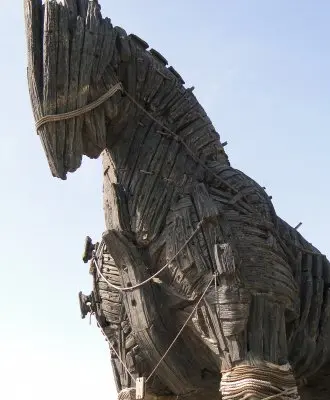
3. Archaeological Site of Troy
Troy, with its 4,000 years of history, is one of the most famous archaeological sites in the world. The first excavations at the site were undertaken by Heinrich Schliemann in 1870. In scientific terms, its extensive remains are the most significant demonstration of the first contact between the civilizations of Anatolia and the Mediterranean world.
4. Arslantepe Mound
Arslantepe is a 30-meter-tall archaeological tell located in the Malatya plain. The site was occupied from at least the 6th millennium BCE until the late Roman period. It is an exceptional testimony to the first state society in the Near East, featuring an early palace complex with impressive wall paintings and some of the world's oldest swords.
5. Bursa and Cumalıkızık
The city of Bursa and the nearby village of Cumalıkızık represent the birth of the Ottoman Empire as a social and economic center. This site showcases the creation of an urban and rural system establishing the Ottoman Empire's social and economic organization.
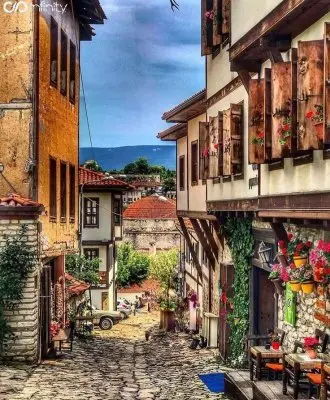
6. City of Safranbolu
From the 13th century to the advent of the railway in the early 20th century, Safranbolu was an important caravan station on the main East-West trade route. The city's Old Quarter preserves many historic buildings, including a mosque, a bathhouse, and a traditional inn, showcasing the classic Ottoman urban texture.
7. Diyarbakır Fortress and Hevsel Gardens Cultural Landscape
Located on an escarpment of the Upper Tigris River Basin, the fortified city of Diyarbakır and the landscape around it has been an important center since the Hellenistic period. The site encompasses the massive Inner Castle and the 5.8 km-long city walls with their numerous towers and inscriptions.
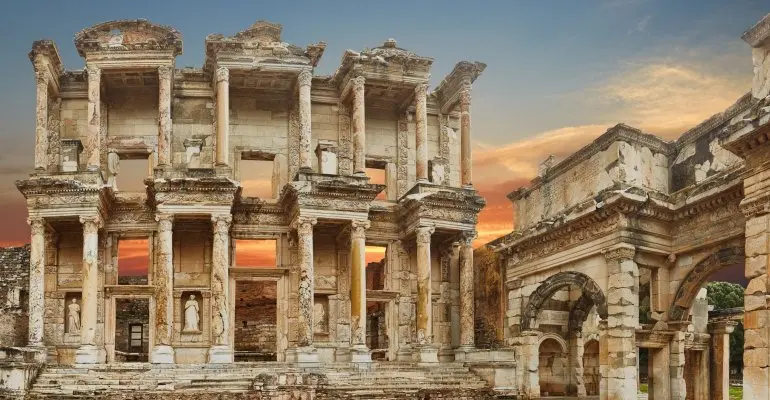
8. Ephesus
Ephesus was one of the twelve cities of the Ionian League and later a major Roman city. It was famous for the nearby Temple of Artemis, one of the Seven Wonders of the Ancient World. Today, Ephesus is an essential stop for those touring ancient coastal cities during their Mediterranean journey.
9. Göbeklitepe
Located in southeastern Turkey, Göbeklitepe is the oldest known temple complex in the world, dating back to the 10th millennium BCE. The site features massive T-shaped stone pillars decorated with animal carvings, providing new insights into the dawn of human civilization and organized religion.
10. Göreme National Park and the Rock Sites of Cappadocia
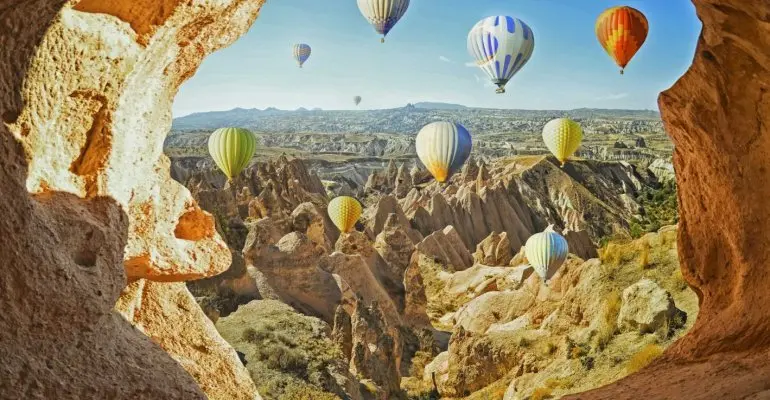
In a spectacular landscape entirely sculpted by erosion, the Göreme valley and its surroundings contain rock-hewn sanctuaries that provide unique evidence of Byzantine art in the post-Iconoclastic period. It is a stunning blend of natural beauty and human creativity.
11. Hattusha: the Hittite Capital
Hattusha was the capital of the Hittite Empire in the late Bronze Age. The site is notable for its urban organization, the types of construction that have been preserved (temples, royal residences, fortifications), and the rich ornaments of the Lions' Gate and the Royal Gate.
12. Hierapolis-Pamukkale
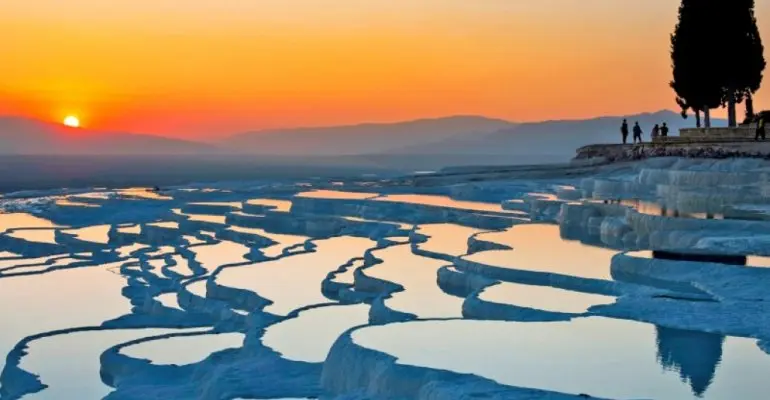
Deriving from springs in a cliff almost 200 meters high overlooking the plain, calcite-laden waters have created at Pamukkale an unreal landscape of mineral forests, petrified waterfalls, and a series of terraced basins. At the end of the 2nd century BCE, the kings of Pergamon established the thermal spa of Hierapolis on top of the hill.
13. Historic Areas of Istanbul
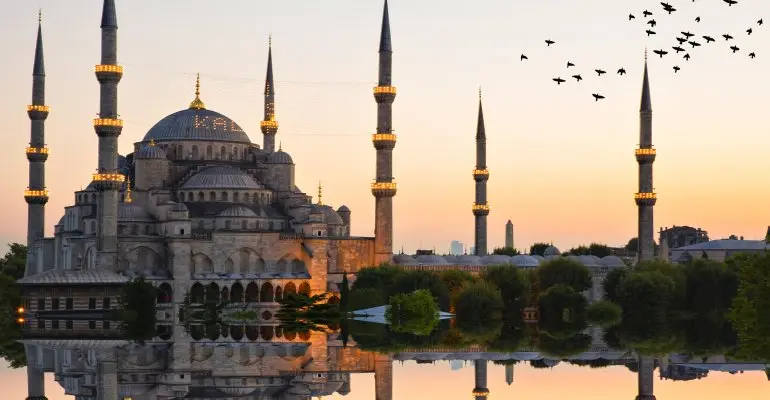
Strategically located on the Bosphorus peninsula between the Balkans and Anatolia, the Black Sea and the Mediterranean, Istanbul has been associated with major political, religious, and artistic events for more than 2,000 years. Its masterpieces include the ancient Hippodrome, Hagia Sophia, and Topkapi Palace.
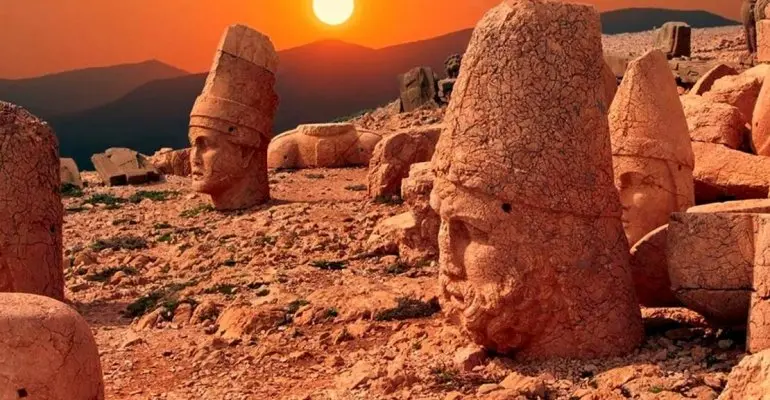
14. Mount Nemrut
On the summit of Mount Nemrut, King Antiochus I of Commagene built a colossal funerary mound flanked by enormous statues of himself, lions, eagles, and various Greek and Persian gods. It is one of the most ambitious constructions of the Hellenistic period.
15. Neolithic Site of Çatalhöyük
Two mounds form the site of Çatalhöyük on the Southern Anatolian Plateau. The taller eastern mound contains eighteen levels of Neolithic occupation between 7400 BCE and 6200 BCE, including wall paintings, reliefs, and sculptures, representing a significant evolution in social organization and cultural practices.
16. Pergamon and its Multi-Layered Cultural Landscape
Pergamon was a powerful kingdom and a center of learning in the Hellenistic world. The site includes the Acropolis, the steepest ancient theater, and the Great Altar, all overlooking the Turkish Riviera. It represents the pinnacle of Hellenistic urban planning and architecture.
17. Selimiye Mosque and its Social Complex
The square mosque with its single great dome and four slender minarets dominates the skyline of the former Ottoman capital of Edirne. Sinan, the most famous of Ottoman architects, considered this his best work, representing a masterpiece of creative genius.
18. Xanthos-Letoon
This site, which was the capital of Lycia, illustrates the blending of Lycian traditions and Hellenic influence. It is located directly on many Turkish sailing routes. The funerary art found here is exceptional, and the inscriptions are crucial for our understanding of the Lycian people and their Indo European language.
Discover the Roots of Civilization
Many travelers prefer our bespoke sailing tour packages because they provide a tailored itinerary that combines secluded bays with visits to these legendary heritage sites. Adopting sustainable travel in Turkey practices ensures that these 18 UNESCO treasures remain vibrant for the 2026 season and many more to come.
About the Author: This comprehensive guide was updated by Çağdaş Öğrü, founder of Go Turkey Sail. As a maritime professional and history lover, Çağdaş aims to bring the rich heritage of the Mediterranean to life for every guest. Connect with me on LinkedIn
